
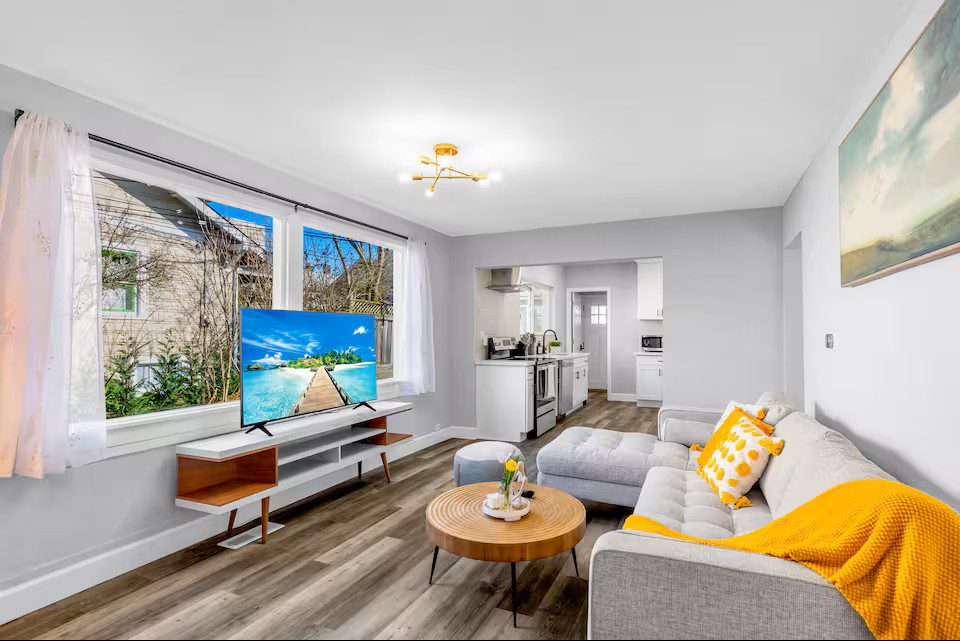
A great vacation home can have mountain views, room for a family, and strong booking potential. Yet in Chelan County, those features do not answer the first question an owner needs to ask. Can the property qualify for the short-term rental permit needed for the planned use?
Chelan County updated its short-term rental capacity numbers in August 2026. The figures show a wide gap between areas with permit capacity and areas already at or above their STR caps. For Washington short term rental management, that makes the property’s exact location a key part of the business plan.
Owners and investors should look at permit capacity before they spend heavily on furniture, upgrades, photography, or marketing. They also need to understand the property’s STR tier and the county’s application schedule. These steps can prevent an attractive property from becoming a poor fit for the owner’s rental plan.
Chelan County STR Caps Put the Address First
Chelan County regulates short-term rentals in unincorporated areas through a permit system. Tier 2 and Tier 3 rentals are subject to caps based on housing supply in defined areas. Qualifying Tier 1 rentals are treated differently and do not count toward those caps.
In most areas shown in the county’s August 2026 statistics, the cap equals 6% of housing units. However, the number of existing rentals and available permit spaces differs by location. As a result, two properties in the same broad tourism market can face very different permit conditions.
That changes the starting point for Washington short term rental management. Owners should identify the exact parcel and jurisdiction before building revenue projections. A popular destination name alone does not tell an investor if the planned STR use is feasible.
A 6% Cap Can Limit New STR Supply
A cap places a clear ceiling on the number of qualifying short-term rentals in an area. Once existing rentals reach that ceiling, room for new Tier 2 or Tier 3 permits can become limited. In some locations, the county’s current figures show the calculated number of rentals already exceeds the cap.
This does not mean every property in that area operates under the same rules. STR tier, exemptions, existing permits, and property details can change how the rules apply. Owners should therefore verify the current status of their specific property before making a major financial decision.
Permit capacity should also never be treated as guaranteed approval. A positive availability number means there may be room under the cap. The property and application must still meet the county’s applicable requirements.
August 2026 Numbers Show a Divided STR Market
Chelan County‘s latest figures make the differences between local markets easy to spot. Unincorporated Chelan shows a cap of 127 qualifying rentals, with 63 calculated existing rentals and 64 spaces available. Unincorporated Cashmere shows 81 available spaces, while unincorporated Wenatchee shows 93.
Manson also has some capacity in the current figures. The unincorporated Manson area shows 35 available spaces, while the Manson Urban Growth Area shows 31. Those numbers create a very different permit picture from some of the county’s better-known vacation markets.
Unincorporated Leavenworth shows negative four spaces available. Plain also shows negative four, while Lake Wenatchee shows negative 53. A negative figure means the calculated number of qualifying rentals is already above the applicable cap.
For Washington short term rental management, these differences are too large to ignore. An owner looking at Chelan, Leavenworth, or Lake Wenatchee cannot assume each market offers the same path to a new STR permit. The permit map can change the investment case before pricing even enters the discussion.
Leavenworth Shows Why Guest Demand Is Only Half the Equation
Leavenworth has strong tourism appeal and a clear vacation-rental audience. That can make nearby properties attractive to investors who see high nightly rates and busy travel periods. Yet guest demand does not override local permit limits.
The August 2026 county figures list 1,756 housing units for unincorporated Leavenworth. A 6% cap produces a limit of 105 qualifying STRs, while the county calculates 109 existing rentals. That places the area four above the stated cap.
Lake Wenatchee shows an even larger gap. Its cap is 63 qualifying rentals, while the county calculates 116 existing rentals. That leaves the area 53 above its cap in the latest statistics.
Strong Washington short term rental management starts by separating market demand from legal operating capacity. A property may have excellent guest appeal but still face a difficult permit path. Owners need both pieces of information before relying on projected STR income.
Your STR Tier Can Change the Permit Picture
Chelan County uses different tiers for different types of short-term rentals. Tier 1 generally covers qualifying owner-occupied arrangements and certain limited rental situations. Tier 2 applies to non-owner-occupied STRs with a maximum occupancy of 12 people, including children.
Tier 2 and Tier 3 rentals are the key categories affected by the county’s cap system. Therefore, owners should not look at a capacity table without first understanding how their planned operation may be classified. The business model can affect the permit path.
This is especially important before buying a property. An investor planning a full-time, non-owner-occupied vacation rental may face different rules from someone renting part of a primary residence. Those differences can change both operating plans and expected revenue.
For Washington short term rental management, classification should happen early. Owners should confirm the intended use, current rules, and applicable permit process before committing to a launch date. That keeps regulatory questions from becoming expensive surprises later.
Permit Timing Can Delay a Vacation Rental Launch
Permit availability is only one part of the process. Timing matters too because Chelan County uses an annual application cycle for new Tier 2 and Tier 3 permits. Applications are accepted only when an area has room within its applicable cap.
For the 2026 cycle, applications for new permits intended to operate in 2027 were accepted from June 1 through July 31. The county processes these applications on a first-come, first-served basis. Approved permits from that cycle may begin operating on January 1, 2027.
Applicants also need supporting information for the permit process. This includes a property management plan and a parking diagram, along with other required documents. Owners should build enough time into their plans to prepare accurate information.
Good Washington short term rental management puts permit timing ahead of listing setup. Buying furniture and scheduling professional photography before confirming the operating path can put money into a property that cannot launch on the expected date. Compliance needs to lead the calendar.
Available Permit Space Does Not Mean Automatic Approval
Seeing available spaces in an STR capacity table can be encouraging. However, those numbers should not be read as reserved permits. An application still needs to satisfy the county’s requirements before approval.
The property must meet applicable rules, and the applicant must provide the required information. Inspections and other county processes may also apply before a permit can be issued. Therefore, owners should avoid treating capacity as certainty.
This distinction matters during property acquisition. A seller, agent, or previous rental history should not be the only source used to judge future STR eligibility. Current requirements should be verified for the exact property and intended use.
That extra step strengthens Washington short term rental management from day one. It gives the owner a clearer operating plan and reduces the risk of building revenue forecasts on an assumption. Permit research belongs in due diligence, not after closing.
Existing STR Owners Have a 2027 Renewal Deadline
Chelan County’s latest updates also matter for existing operators. The county’s 2027 STR permit renewal window opens September 1, 2026 and runs through October 31, 2026. Late fees begin after the October deadline.
The 2026 renewal fee is $728 for Tier 1 and Tier 2 permits. Tier 3 permits have a renewal fee of $1,092. Missing the normal renewal period can make those costs much higher.
Applications submitted from November 1 through November 30 face a late fee equal to twice the permit fee, in addition to the renewal fee. From December 1 through December 31, the late fee rises to three times the permit fee. That gives existing owners a strong reason to put renewal dates on the operating calendar now.
For Washington short term rental management, permit renewal should receive the same attention as bookings and maintenance. A busy rental calendar can make administrative deadlines easy to overlook. A simple compliance calendar can prevent a costly oversight.
Inspections Are Part of Vacation Rental Operations
Permit compliance does not end once a rental begins taking guests. Chelan County also uses fire and life safety inspections as part of its STR process. New applicants must complete the required inspection steps before beginning operation.
For existing permits, in-person fire and life safety inspections occur every other year. During years without an in-person inspection, self-inspection documentation applies. Owners therefore need to keep property condition and permit records current.
This is where operations and compliance meet. Smoke alarms, access, safety equipment, property records, and other required items cannot be treated as paperwork alone. They affect both permit readiness and the guest experience.
A strong Washington short term rental management system should track inspections alongside turnovers and repairs. That makes it easier to catch issues before an inspection or guest arrival. It also creates a clearer record of how the property is being maintained.
STR Caps Should Change Property-Buying Due Diligence
A vacation rental purchase should begin with the address, not a revenue estimate. Investors should first identify the property’s jurisdiction and determine the planned STR tier. Then they can review current capacity, land-use requirements, and the relevant application process.
Only after those checks should expected nightly rates and occupancy carry serious weight. Revenue tools can estimate what travelers might pay, but they cannot confirm that a new owner can legally operate the planned STR. That difference is critical in capped markets.
For Washington short term rental management, this approach makes investment decisions more grounded. It helps buyers compare properties using both demand and operating feasibility. A slightly less obvious location with permit capacity may deserve a closer look than a high-demand area already above its cap.
The same process can help existing owners plan changes. Expanding occupancy, changing the operating model, or altering property use may affect requirements. Regulatory research should remain part of long-term property planning.
Professional Washington Short Term Rental Management Keeps More Pieces Connected
Chelan County’s STR caps show how quickly vacation rental ownership can become complex. Owners have permit capacity, application windows, renewals, inspections, maintenance, pricing, turnovers, and guest communication to manage. Missing one part can affect several others.
Professional Washington short term rental management can bring those tasks into a more organized operating system. Beenstay supports owners with revenue management, guest communication, property oversight, maintenance coordination, and day-to-day vacation rental operations. That structure can help owners keep property needs and important calendar tasks visible throughout the year.
Management does not guarantee permit approval or replace guidance from the county or other appropriate authorities. However, consistent property oversight can make it easier to prepare for inspections, coordinate maintenance, manage guests, and keep operational deadlines from slipping through the cracks.
Chelan County’s latest numbers send a clear message for owners and investors. The best-looking property is not always the best STR opportunity, and the busiest tourism market may not offer the easiest permit path. Start with the address, understand the cap, confirm the operating path, and then build the rental strategy around facts.
FAQs About Washington Short Term Rental Management
Yes. Chelan County caps qualifying Tier 2 and Tier 3 short-term rentals in covered unincorporated areas. Most locations shown in the August 2026 capacity statistics use a 6% cap, but owners should confirm the current rules for their exact property and STR tier.
New Tier 2 and Tier 3 permits depend on capacity under the applicable cap and the county’s current application process. An area showing no available capacity can create a major barrier for new applicants. Owners should confirm current availability and property eligibility with the county before making investment decisions.
The 2027 renewal window runs from September 1 through October 31, 2026. Applications submitted after October 31 face additional late fees. Existing operators should prepare their renewal requirements early rather than waiting until the final days of the window.